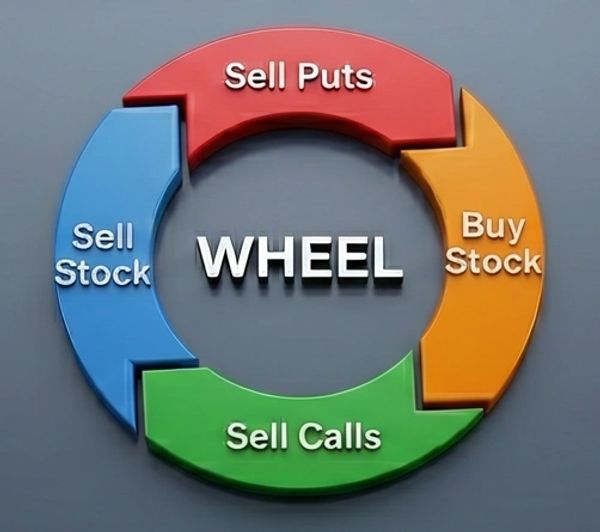
What is the Wheel Strategy?
The Wheel strategy is a systematic way to use options to buy stocks at a discount, and sell stocks for a profit. By selling options for this process you collect option premiums upfront. This increases the total gains in your brokerage or retirement account. This is why the Wheel is also called the "triple income" strategy — you collect a put option premium, a call option premium, and profit from the stock when it sells.
Here is how the Wheel works:
Step 1: Sell a put option to purchase a specific stock at a selected discounted price within a specific timeframe. You collect a premium for this step.
Step 2: If the stock price drops to your selected discount price when the option expires, then you buy the stock. Money is withdrawn from your account.
Step3: Sell a call option to sell the stock at a selected price within a specific timeframe for a profit. You collect another premium for this step.
Step 4: If the stock price reaches your selected sell price when the option expires, the stock is sold and you collect the stock profit. Return to Step 1.
Options Basics for Beginners
What Are Options?
What Are Options?
What Are Options?
Options are contracts that control 100 shares of an underlying asset, such as stocks. Options give buyers the right, and sellers the obligation, to buy or sell the asset at a set price (strike price) within a set timeframe (expiration date).
Strike Price
What Are Options?
What Are Options?
The strike price is the agreed upon price between the buyer and seller to buy or sell the underlying asset if the option is exercised by the buyer, regardless of the current price of the asset.
Expiration Date
What Are Options?
Expiration Date
The expiration date is the date at which the contract will expire at market close. All contracts have expiration dates. The buyer can exercise the contract anytime before expiration.
Options Types
Expiration Date
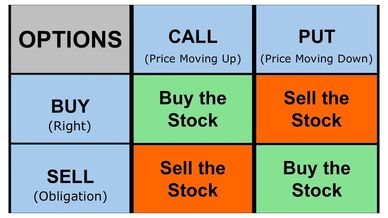
There are two types of options: Calls and Puts. Market participants can be either a buyer or seller of both calls and puts. The specific position a trader takes will determine their rights or obligation in the trade.
Call Options

Call options are contracts in which the buyer and seller want or expect the underlying asset to increase in price.
Put Options
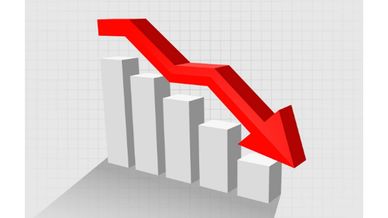
Put options are contracts in which the buyer and seller want or expect the underlying asset to decrease in price.
Options Greeks
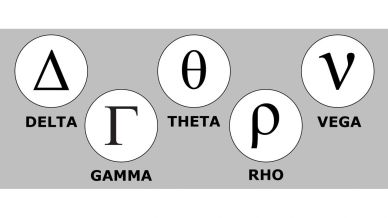
The options "Greeks" are a set of mathematical calculations named after Greek letters that measure how different risk factors — such as changes in stock price, volatility, and time — affect the price of an option called the "premium".
Delta
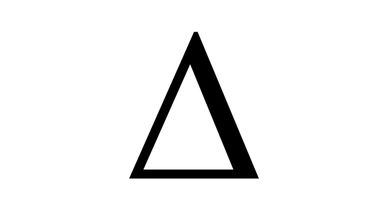
Delta measures how much an option's premium will change for every $1 move in the underlying stock price. For example, if an option has an 80 delta, that means the option premium will move $0.80 for every $1 the asset price moves.
Gamma
Gamma

Gamma affects how quickly Delta changes as the stock price moves - acceleration. A higher gamma equals a faster-changing delta, and a lower gamma equals a slower-changing delta.
Theta
Gamma
Theta measures how much value an option loses each day as it gets closer to its expiration date. Theta is often refered to as “Time Decay”.
Vega
Vega
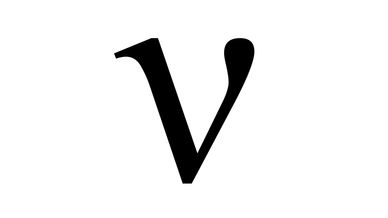
Vega measures an option's sensitivity to changes in implied volatility (IV). A high vega means the option price reacts strongly to changes in implied volatility.
Rho
Vega
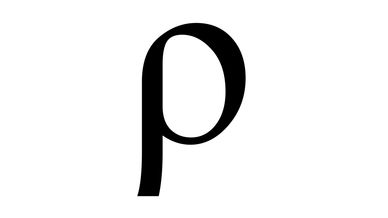
Rho measures sensitivity to changes in interest rates. Because interest rates do not change often, rho has minimal impact on option pricing and is considered the least important options Greek.
In-The-Money
In-The-Money
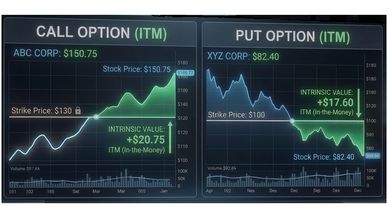
In-the-money, or ITM, means the option has real, immediate value for the buyer. Depending on the option type, the strike price is either above or below the current stock price. The buyer may exercise the option at anytime when it is in-the-money.
At-The-Money
In-The-Money
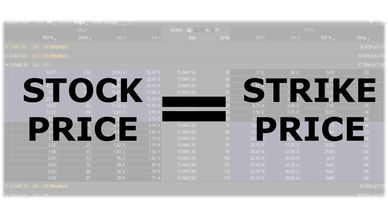
At-the-money, or ATM, means the strike price is the same as the current stock price. Options don't hold this status very long. As soon as the stock price move above or below the strike price, it is no longer at-the-money.
Out-Of-The-Money
Out-Of-The-Money
Out-of-the-money, or OTM, means the option has no intrinsic value for the buyer. Depending on the option type, the strike price is either above or below the current stock price. Options that expire out-of-the-money are considered worthless to the buyer.